Programming & tech
· 3 min read
AI coding tools in October 2026: how we build platforms now
Claude Code with forked agents and code review, Codex with isolated worktrees, Gemini 4 Argon with a million-token window. What changed this month, and why human review stays our rule.
Three tools, one week
Every tool we use to build client platforms changed in October. This is a summary of what changed according to a state-of-play report published on October 21, and what we take from it in practice. The figures come from secondary sources, so check the official changelogs before relying on them.
Claude Code 2.1.305
- Opus 5.5 has been the default on Pro, Max, Team and Enterprise plans since September 22, at $4 per million input tokens and $20 per million output.
- Auto mode now starts in interactive sessions that configure no mode, while scripted runs start in manual.
- Subagent forks are on by default, three layers deep, and an Ultracode setting lets the tool plan dynamic workflows.
- Code Review reached general availability on October 15.
Codex CLI 0.163 (October 15)
- An agent command centre via
codex agents, and managed Git worktrees on by default. - Mid-response steering and a background server, with GPT-6.1 Sol as the default model.
Gemini 4 Argon (October 13)
- Globally available to subscribers and through the API, with a context window above one million tokens and three thinking levels.
- Introductory pricing of $2 input and $10 output per million tokens until November 30, then $4 and $20.
- A caution: the official Gemini CLI readme says it has not yet been optimised for this model.
What this means if you are building a platform for your business
- Forked agents speed up the work and double the need for review. Three agents editing three files at once means someone must read the diff before merging. That is why we run code review on every change and a human developer signs off.
- Isolated worktrees are not a luxury. Codex's new feature formalises what we have done by hand for months: every task in its own branch, nothing touches production until the tests pass.
- Price is now a selection criterion. The most expensive model is not always the right one; routine jobs (data migration, format conversion) go to cheaper models, architecture goes to the strongest.
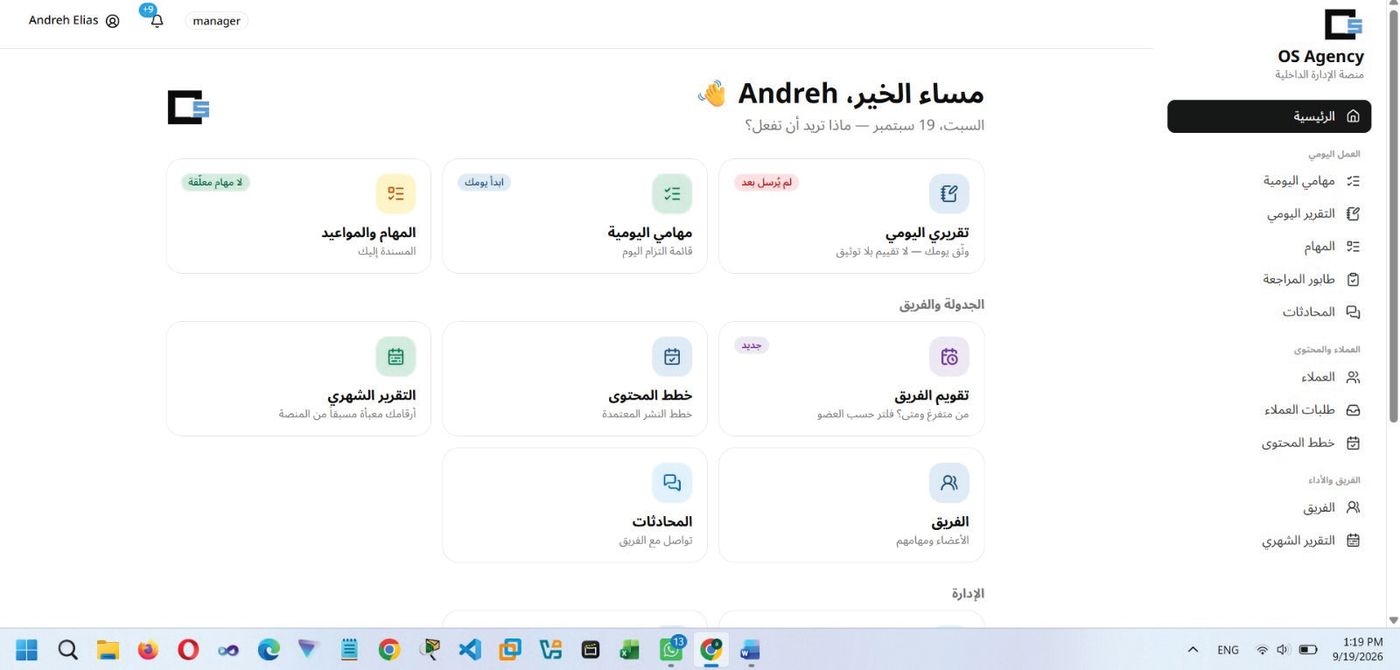
- Tools change every month; the method does not. Clear requirements, tests before merge, numbered releases. That is how we built the agency management platform we use every day.
If you are considering an internal system, a store or a dashboard, the question is no longer "can we build it?" but "who reviews it, and how do we make sure it never stops your business?". We answer that before writing a line.
Sources
#programming #Claude Code #Codex
OS
By
OS Agency team