On-site product photography: how a restaurant becomes a studio
We do not take the dish to a studio; we take the studio to the dish. How we shoot for restaurants, cafés and showrooms, and why it gives a more honest result.

Why we shoot on site
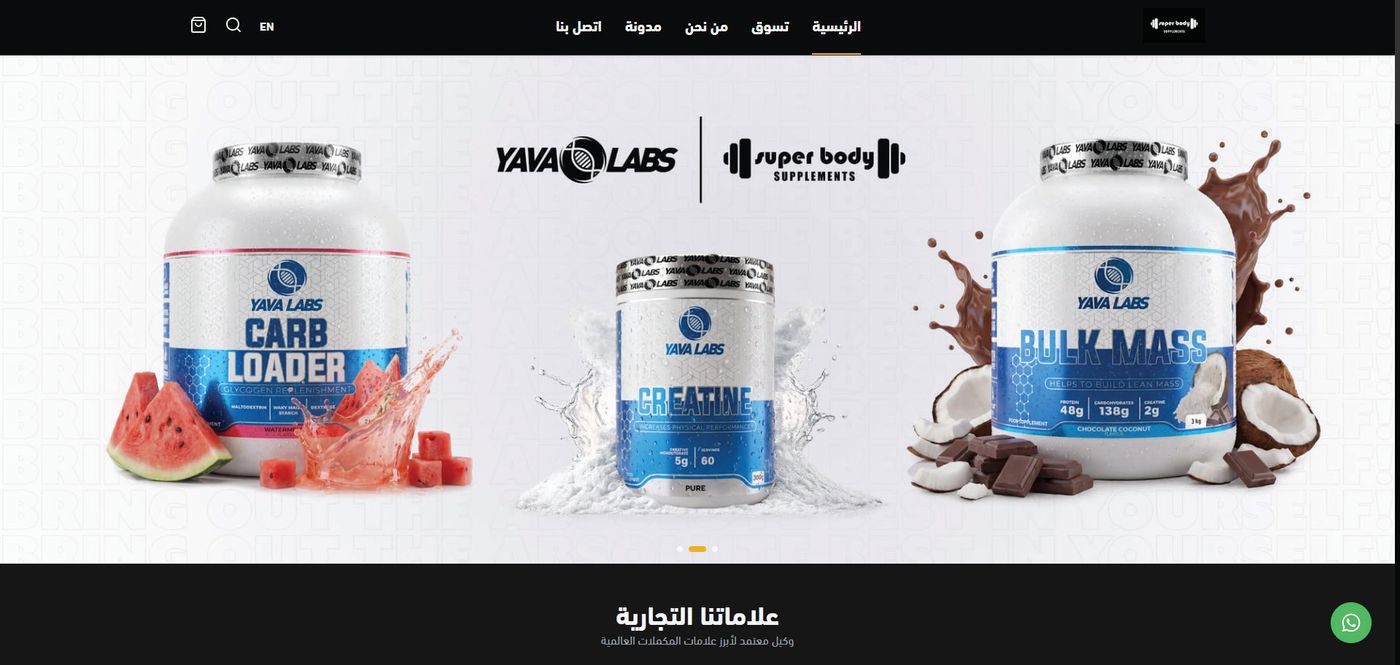
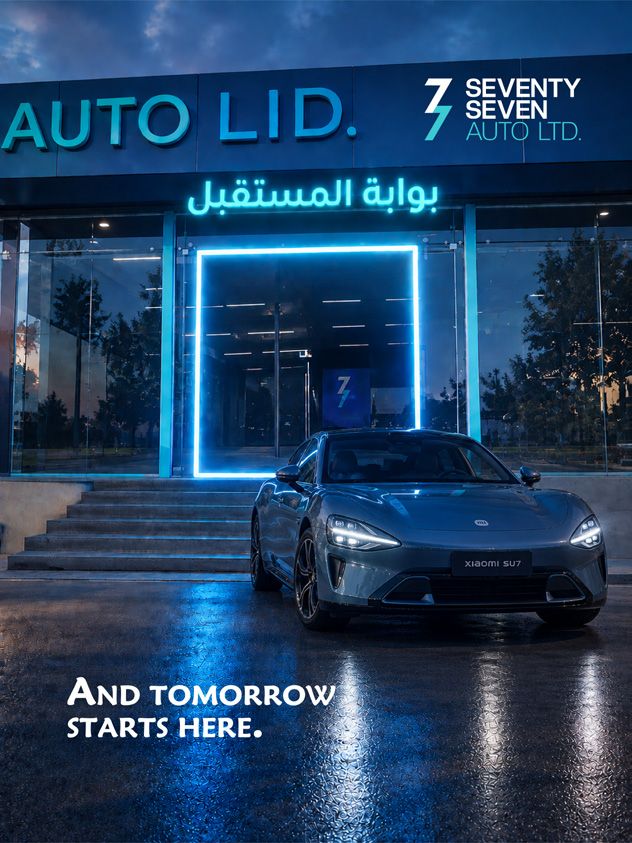
A photo taken at the client's place carries something a studio cannot give: context. The dish on the restaurant's own table, the car in front of the showroom window, the product in the hands of the person who sells it. The viewer feels the place before reading the first word, and that is what builds trust.
The practical reason matters just as much. A restaurant cannot close its kitchen for a shooting day, and a fresh dish loses its shape within minutes. Shooting on site means we photograph the dish exactly as it is served, the moment it comes out.
What we bring
Our kit fits in one bag: a camera, two lenses (a wide one for the space and a close one for details), a single portable light with a softbox, and a white reflector. More than that gets in the way in a narrow kitchen and adds nothing to the picture.
The rule we work by: natural light first. We look for the window, place the dish about a metre away at a 45-degree angle, and use the reflector to open up the shadows. Artificial light comes in only when daylight is gone or when we want one specific highlight on the surface of a dessert.
The session in four steps
- A walk before the camera. Ten minutes through the place: where the window is, which table is cleanest, which corner carries the identity of the venue (the stone wall, the painting, the wood).
- A shot list. Before touching a dish we write down what we actually need: the hero shot for the post, a detail shot for the story, a wide shot for the website. The list prevents two hours of random shooting.
- Shooting in order. Cold dishes first, then whatever melts or cools. Creamy desserts are photographed within three minutes of coming out.
- Review on the spot. We show the shots to the owner before leaving. Fixing an angle now saves a second session later.
The mistakes we see most
- Direct flash flattens the dish and kills the shadows that give it volume.
- A busy background: other plates, receipts, a colleague's hand. We tidy the scene, not the photo.
- Over-editing: pushing saturation until the burger looks orange. People know what real food looks like, and a photo that does not match it loses their trust on the first visit.
After the camera
Each photo is delivered in three ready sizes: square for the post, vertical for stories and reels, wide for the website. With every session we keep a raw copy in the client's archive on our platform, because today's dish may become next month's promotional post.
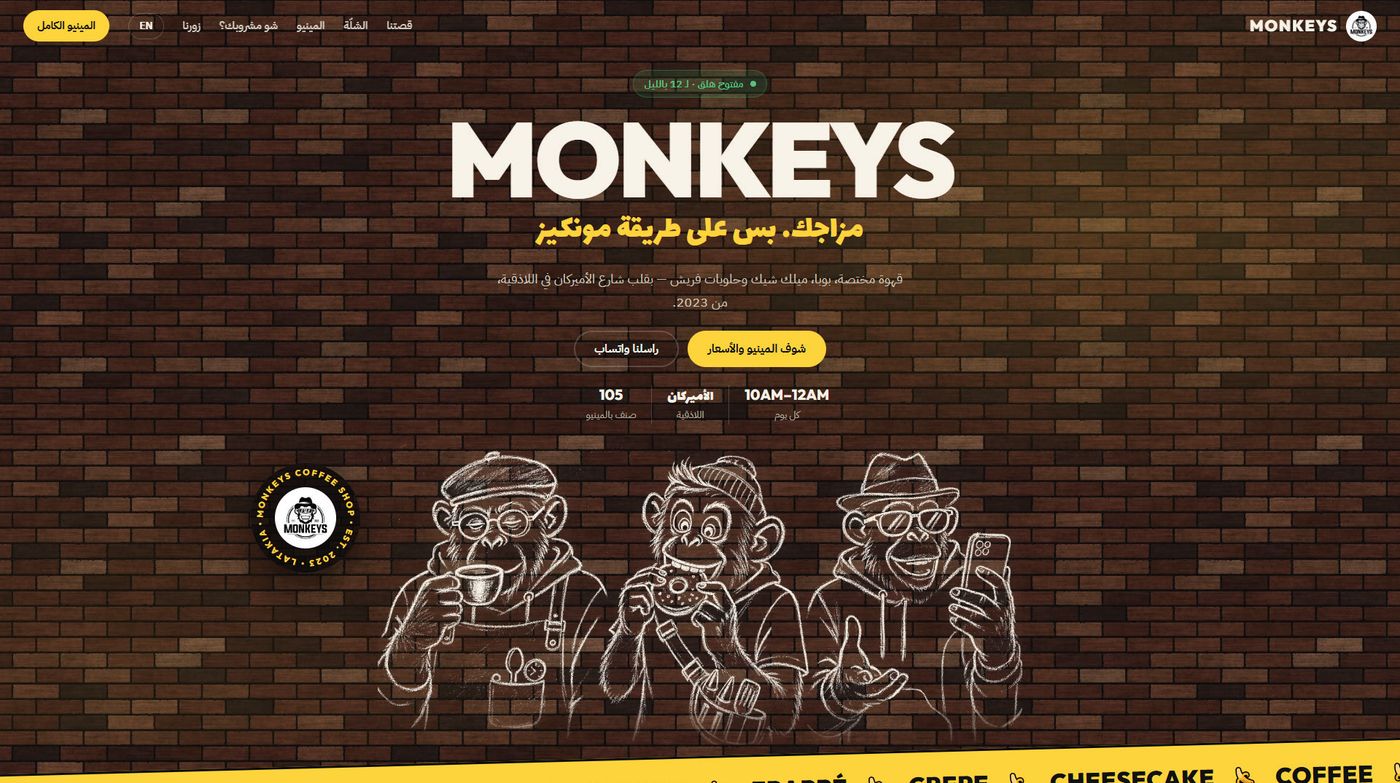
This is the same way we work with Monkeys, Chocolamu and Beauty Restaurant: one shooting day a month covers the whole content plan.