AI agents now work in the background: what it means for you
Notion runs one task for 24 hours, Kognitos builds AI employees on 515 procedures, Google sells governments source-cited outputs. One pattern: a human approval gate. How to apply it in a small business.
From five minutes to a full day
The story that sums up the week: on October 20, Notion raised the limit of a single task for its AI agent from five minutes to more than 24 hours, and added a router called Auto that picks the cheapest suitable model for each step. An agent that works a whole day without you watching is no longer a tech demo; it is a product sold by subscription.
What happened this week
- Notion (October 20): tasks running beyond 24 hours, a cost router, a two-tier credit system and bring-your-own-key for enterprise customers.
- Google Cloud (October 20–21): a preview of Gemini for government services: agents with built-in skills, secure connectors to agency systems, and auditable, source-cited outputs.
- Kognitos (October 22): 61 role-based "AI employees" for finance, backed by 515 standard operating procedures, plus an agent called Quill that drafts procedures for a human to approve.
- TechCrunch (October 25): a roundup of 25+ agents that live inside WhatsApp, Telegram, iMessage and SMS, keep memory and connect to email and calendars.
- Perplexity: its Computer agent now runs fully locally on Apple-silicon Macs, model and agent both on the device.
The pattern that keeps repeating
The companies selling long-running agents all add the same three things: a human approval gate, written procedures and an auditable log. Kognitos did not start with intelligence; it started with 515 procedures. Google sells governments "source-cited outputs". Even Meta, in the ads assistant it is testing, holds every change until the account owner approves.
The message for a small business is clear: the good agent is not the smartest one, but the one that knows when to stop and ask.
What it means for your business
- Write the procedure before you automate it. If you cannot describe how you answer a price enquiry in three steps, do not ask an agent to do it.
- Start with messaging. The WhatsApp agents in TechCrunch's roundup suit the first reply, appointment booking and order confirmation. Complaints and special requests escalate to a person.
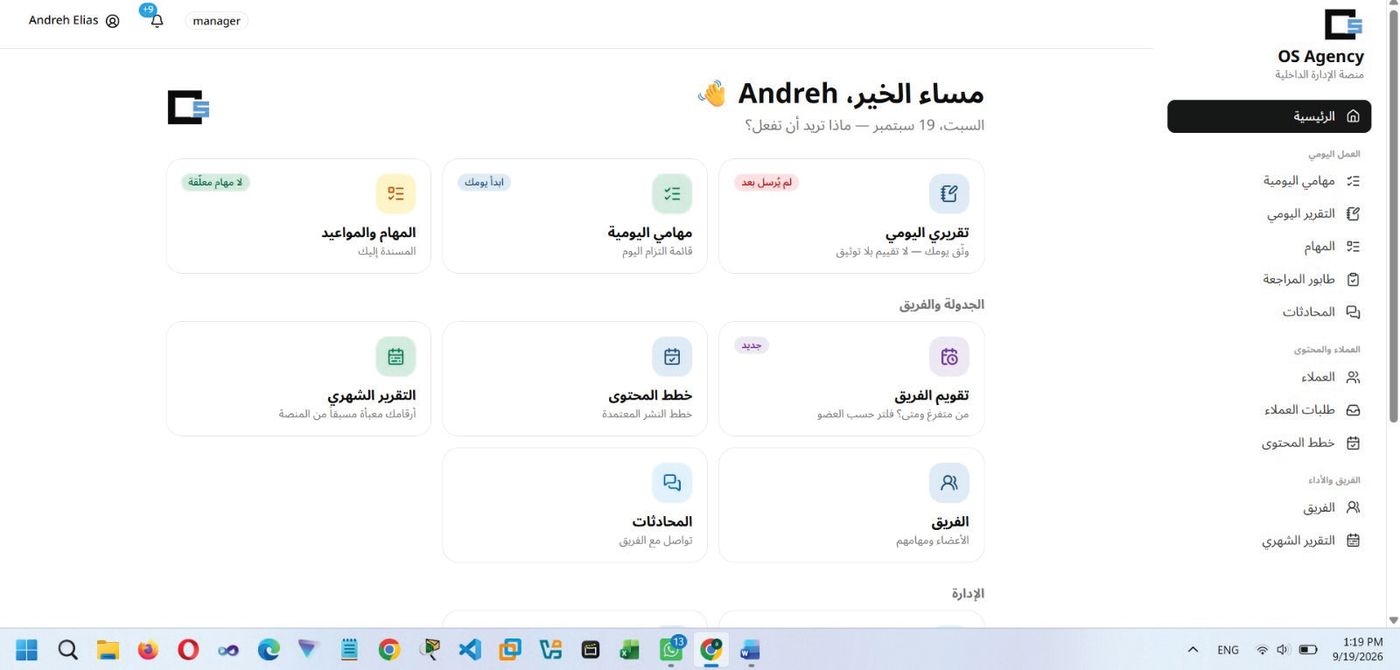
- Decide who approves. In our internal platform the assistant reads tasks and reports and answers the team, but it never sends anything to a client. We apply the same rule to the agents we build for clients.
- Watch the cost. A task that runs for 24 hours burns 24 hours of credits. Cost routers like Notion's Auto exist for exactly this reason.
We build these agents for clients inside their own systems, with a written procedure and a human approval on everything that reaches a customer. That is not a limit of the technology; it is a limit of trust, and trust is what we sell.